The founder “problem” in progressive organisations
It isn’t what you think. Founder syndrome gets blamed on founders, but there is a structural dimension to the conflict. Hint: it’s the board.
It isn’t what you think. Founder syndrome gets blamed on founders, but there is a structural dimension to the conflict. Hint: it’s the board.
On communicating in the era of the machine god. Progressives polish the message when the real constraint is distribution, and the algorithm decides who ever sees it.
Pauline Hanson understands attention. Labor doesn’t. Progressives have a theory of correctness, and an unshakeable faith that correctness will eventually be noticed on its own. I’m skeptical.
Why “good communicators” no longer are. A generation of leaders learned communication in a pre-algorithmic world built around risk management, and the audience has moved on.
By Lasswell’s definition, who gets what, when, and how, every advocacy organisation is doing politics all the time, whether they acknowledge it or not. The decision to depoliticise is itself a political act.
The nonprofit industrial complex isn’t anyone’s fault, it’s an incentive structure. And incentive structures shape our behaviour regardless of intention. Here’s what organisations can actually do about it.
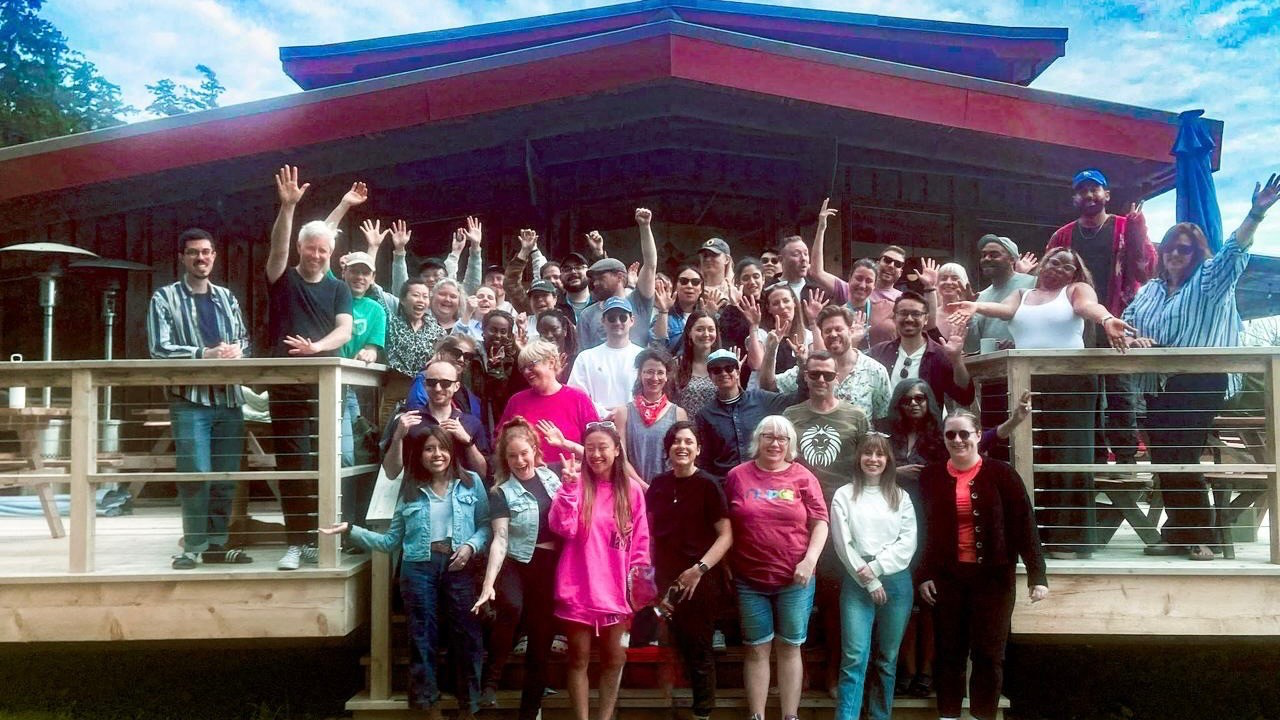
Our sector runs on conferences. They do something important, but they’re not good at the deeper stuff. The residential retreat is where the magic happens, and it’s chronically underfunded.
Mobilizing is the visible stuff: petitions, doors, rallies, fundraising emails. Organizing is the hard part that makes the mobilizing work. Most organisations think they’re doing both when they’re mostly doing one.
A message strong enough to move someone is going to be strong enough to lose someone. Your audience is a lever. Your constituency is the decision maker you’re trying to move. Keeping those two straight is the work.
The very values that make progressive organisations good at external campaigns make internal truth-telling much harder. Three factors, and why the effect compounds.